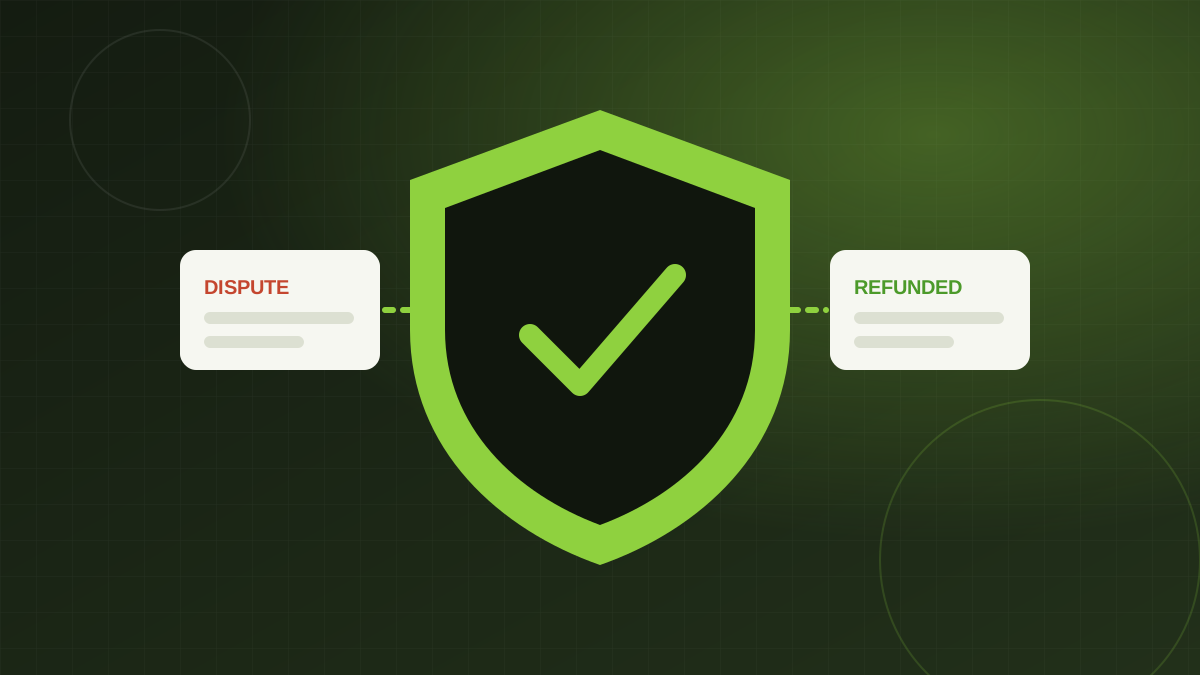
When a customer disputes a charge, most owners think about the sale they just lost. That is only the first line of the bill.
The four costs of one chargeback
- The sale itself. The money is pulled back out of your account.
- The product or service. It is usually already shipped, eaten or delivered.
- The chargeback fee. Processors charge a fee for every dispute, win or lose.
- Your time. Gathering receipts, tracking numbers and messages to fight it.
Add those up and a $60 sale can easily cost well over $100.
The hidden cost: your chargeback ratio
Card networks watch the share of your transactions that turn into chargebacks. Cross their thresholds and you can face monitoring programs, reserves, held funds or a closed account. A run of disputes in one busy month is enough to get noticed.
Why refunding early is cheaper
A refund you give before a dispute becomes a chargeback costs you the sale — but not the fee, and it does not count against your ratio. That is the whole idea behind dispute alerts: you get a heads-up when a cardholder starts a dispute, and you can refund it before it turns into a chargeback.
What you can do this week
- Use a billing descriptor customers recognize (your store name, not a legal entity they have never heard of).
- Put a phone number or email on receipts so customers call you before their bank.
- Answer refund requests within one business day.
- Ask us about dispute alerts — they work alongside your current processor.
Want to see how alerts would work for your business? Visit voxepay.co or email support@voxepay.co.