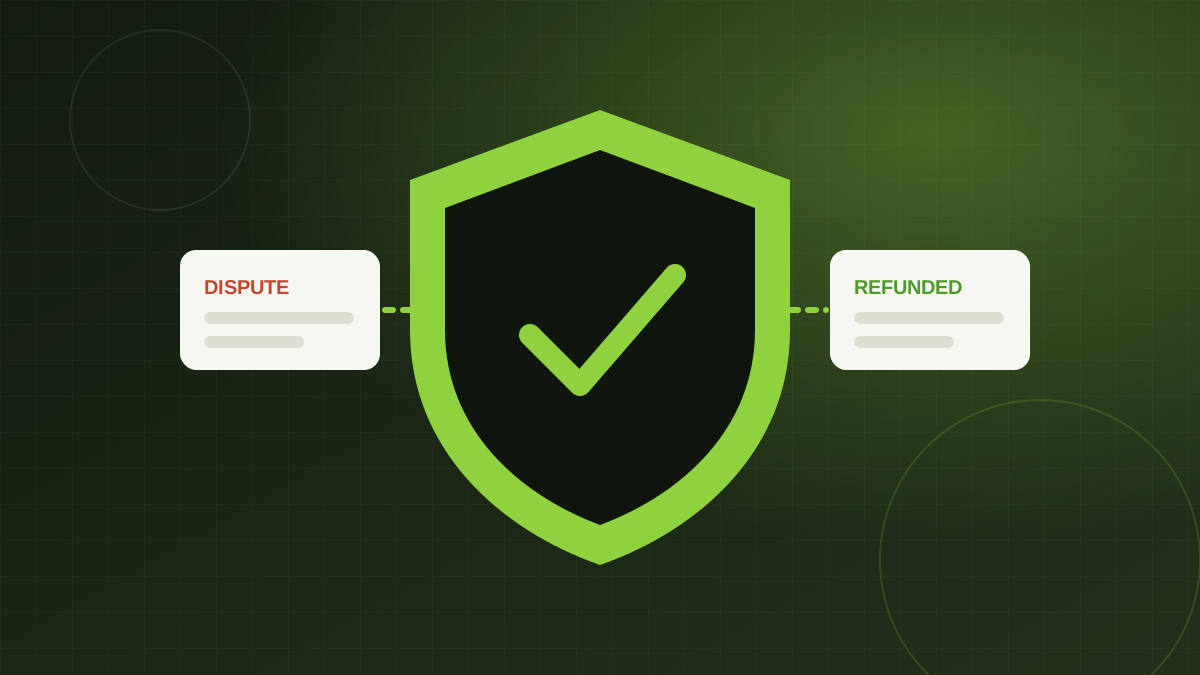
When a customer disputes a charge, their bank can send an alert before filing a formal chargeback. If you refund in time, the dispute is resolved and no chargeback is recorded.
The three main alert networks
- Visa Rapid Dispute Resolution (RDR): resolves eligible Visa disputes automatically based on rules you set — for example, auto-refund anything under a certain amount.
- Ethoca Alerts: alerts from participating issuing banks, covering Mastercard and other card brands.
- Verifi CDRN: the Cardholder Dispute Resolution Network, with alerts from participating issuers.
How it works, step by step
- Your billing descriptor is enrolled in the alert networks.
- A cardholder calls their bank to dispute a charge.
- An alert arrives with the amount, date and reason.
- You refund (or let it proceed if you have strong evidence).
- The dispute closes — no chargeback, no chargeback fee, and your ratio stays healthy.
Is it worth it?
Each alert has a small fee, but a chargeback costs you the sale plus a chargeback fee and counts against your account. For businesses with subscriptions, digital products or higher tickets, alerts usually pay for themselves.
VOXEPAY handles enrollment and lets you decide each alert from your portal. See chargeback protection.